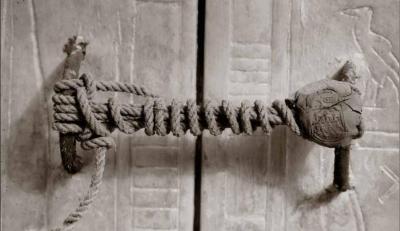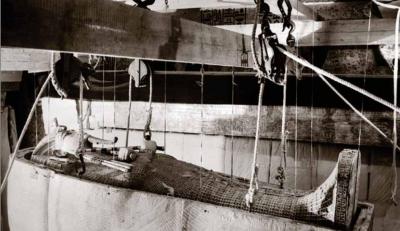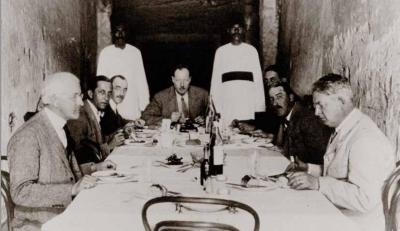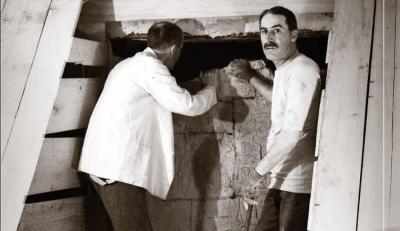

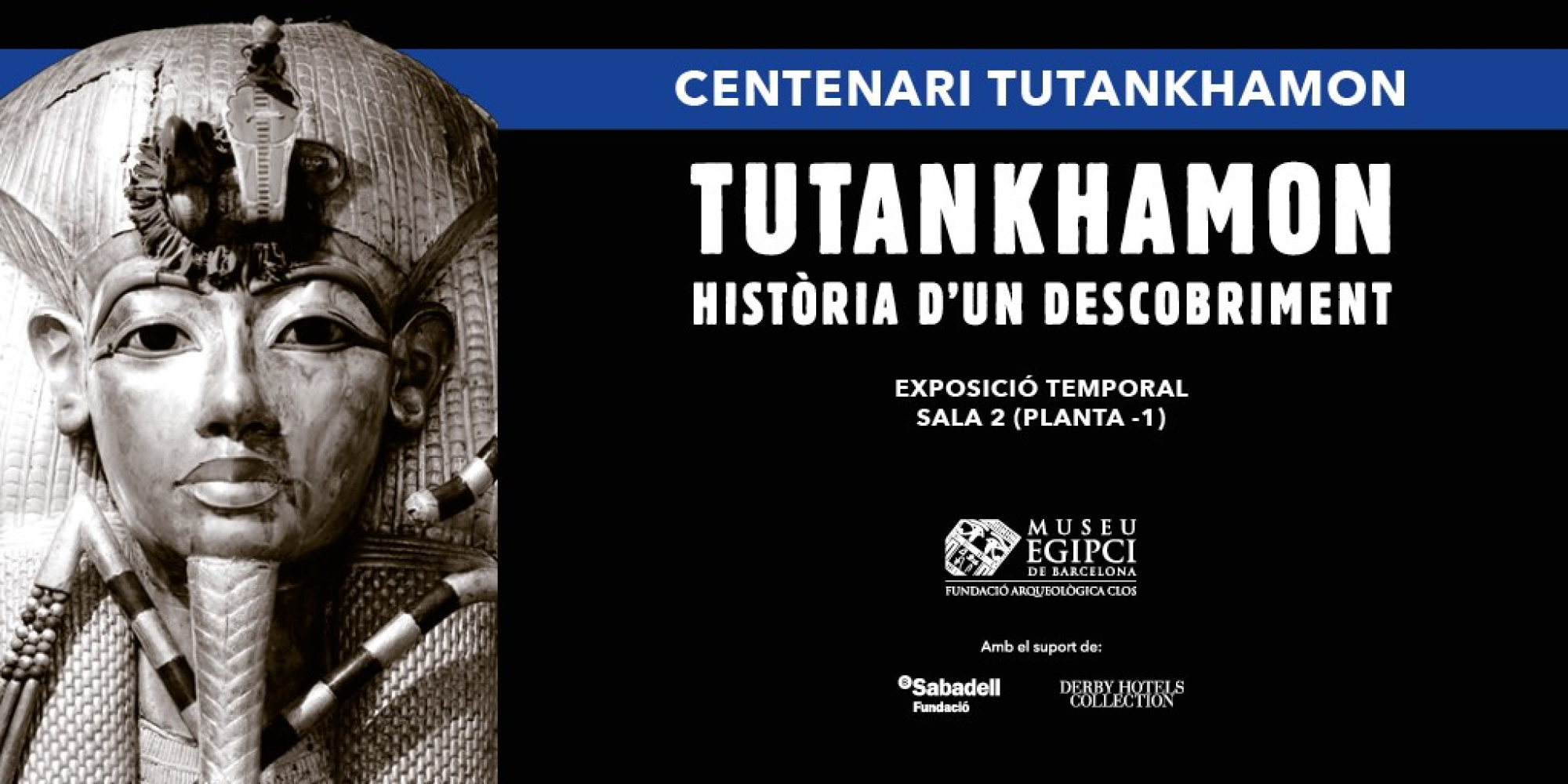
Few archaeological discoveries have aroused such universal admiration and interest as the discovery of the tomb of Pharaoh Tutankhamun.
In November 1922, an archaeological discovery turned the world's attention to a remote corner of Egypt where some of its most important pharaohs were buried. Today, the discovery of Tutankhamun's tomb in the Valley of the Kings continues to captivate humanity.
With the exhibition Tutankhamun: History of a Discovery the Egyptian Museum of Barcelona pays tribute to this remarkable archaeological adventure through spaces dedicated to its key figures, the working methods employed, and the media impact generated by the discovery. The exhibition also addresses topics that have sparked intense debate, such as the king's origins, the causes of his death, and the existence of a terrible curse. A significant number of pieces from the Egyptian Museum of Barcelona illustrate certain aspects of the boy king's life and are representative of the wide variety of objects with which the Egyptians adorned their tombs.