
The Collection
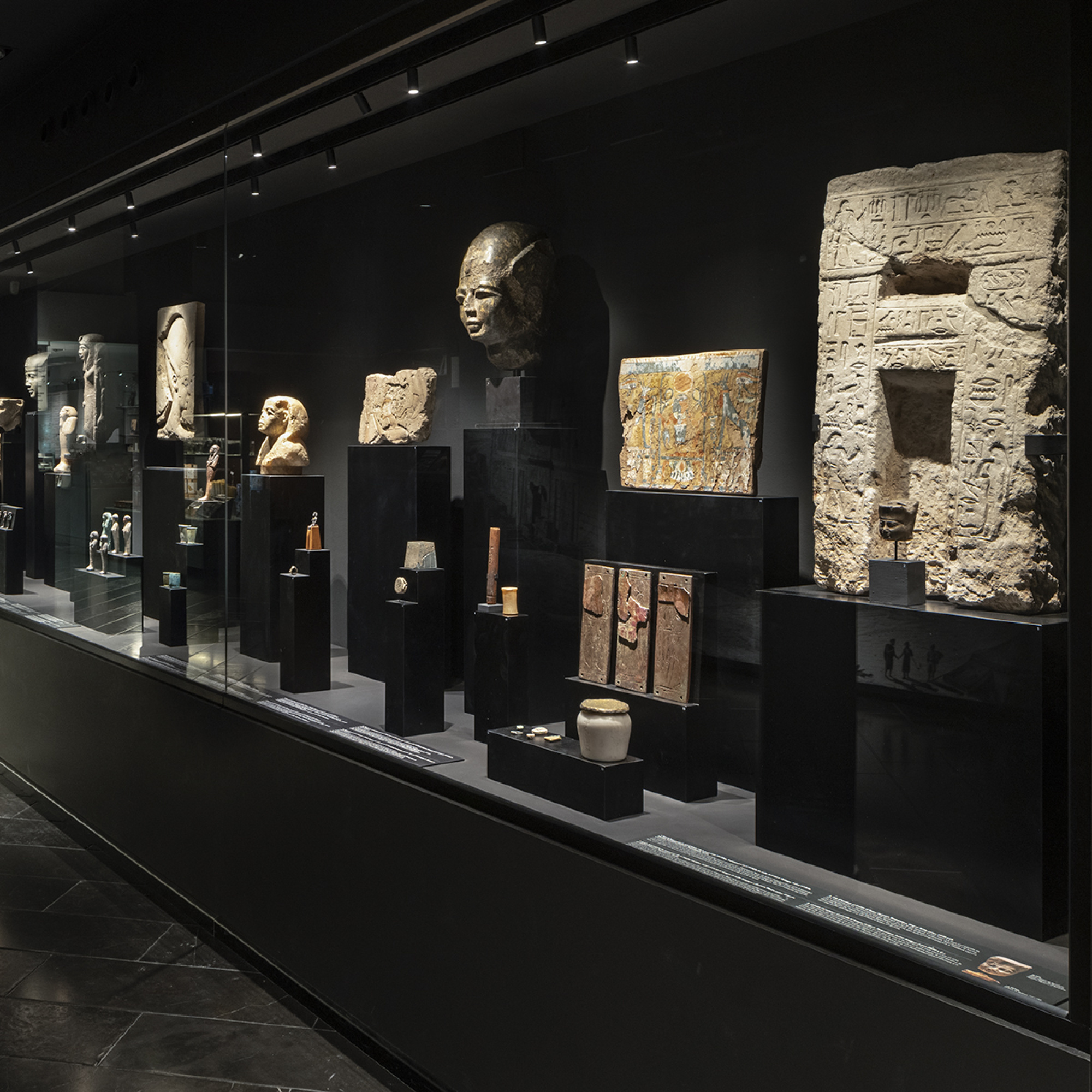
Based on the Jordi Clos Egyptian Archaeology Collection, the Egyptian Museum of Barcelona showcases the most notable aspects of Pharaonic civilization with a permanent exhibition organized by theme and temporary exhibitions with complementary content.

-

-

Hieroglyphic writing
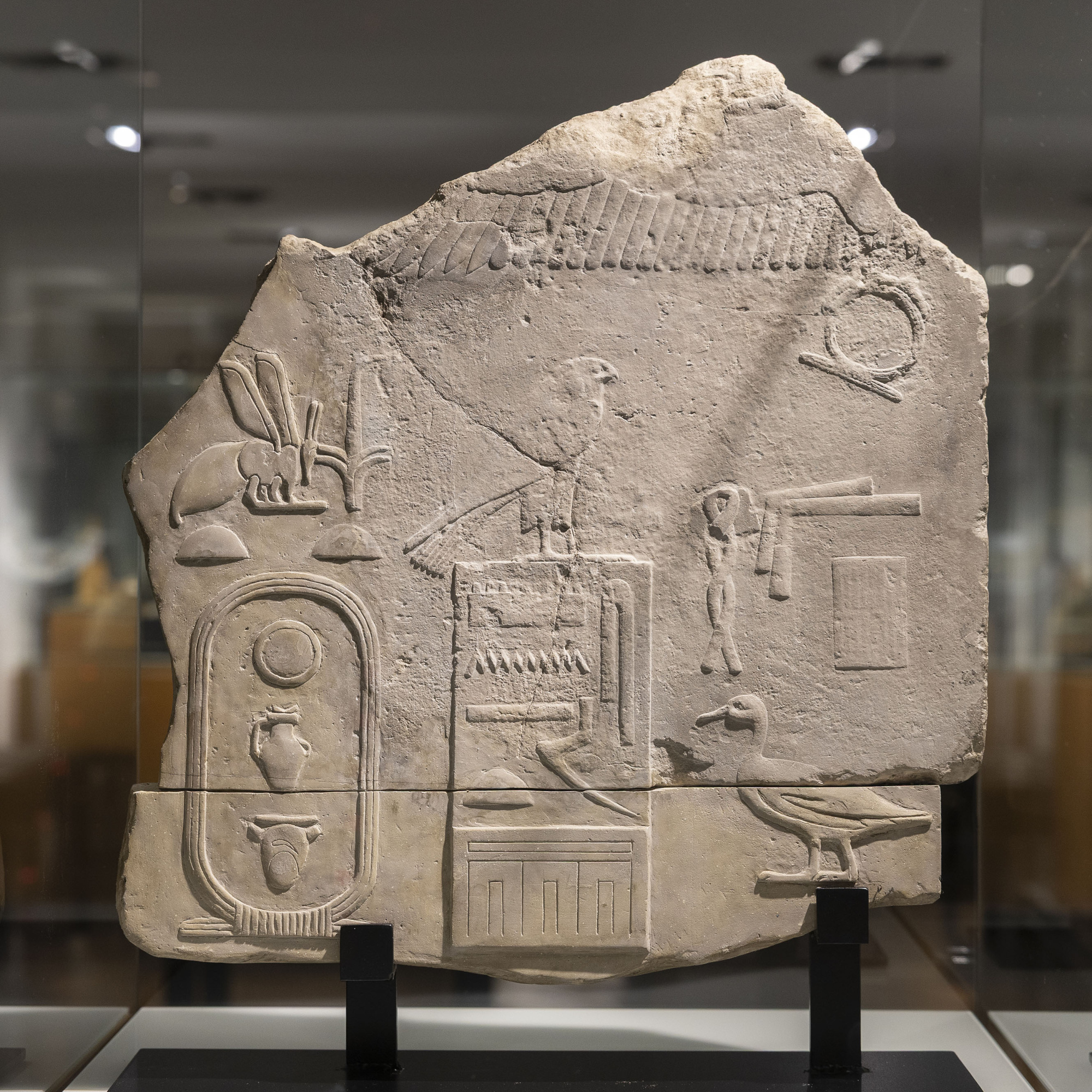
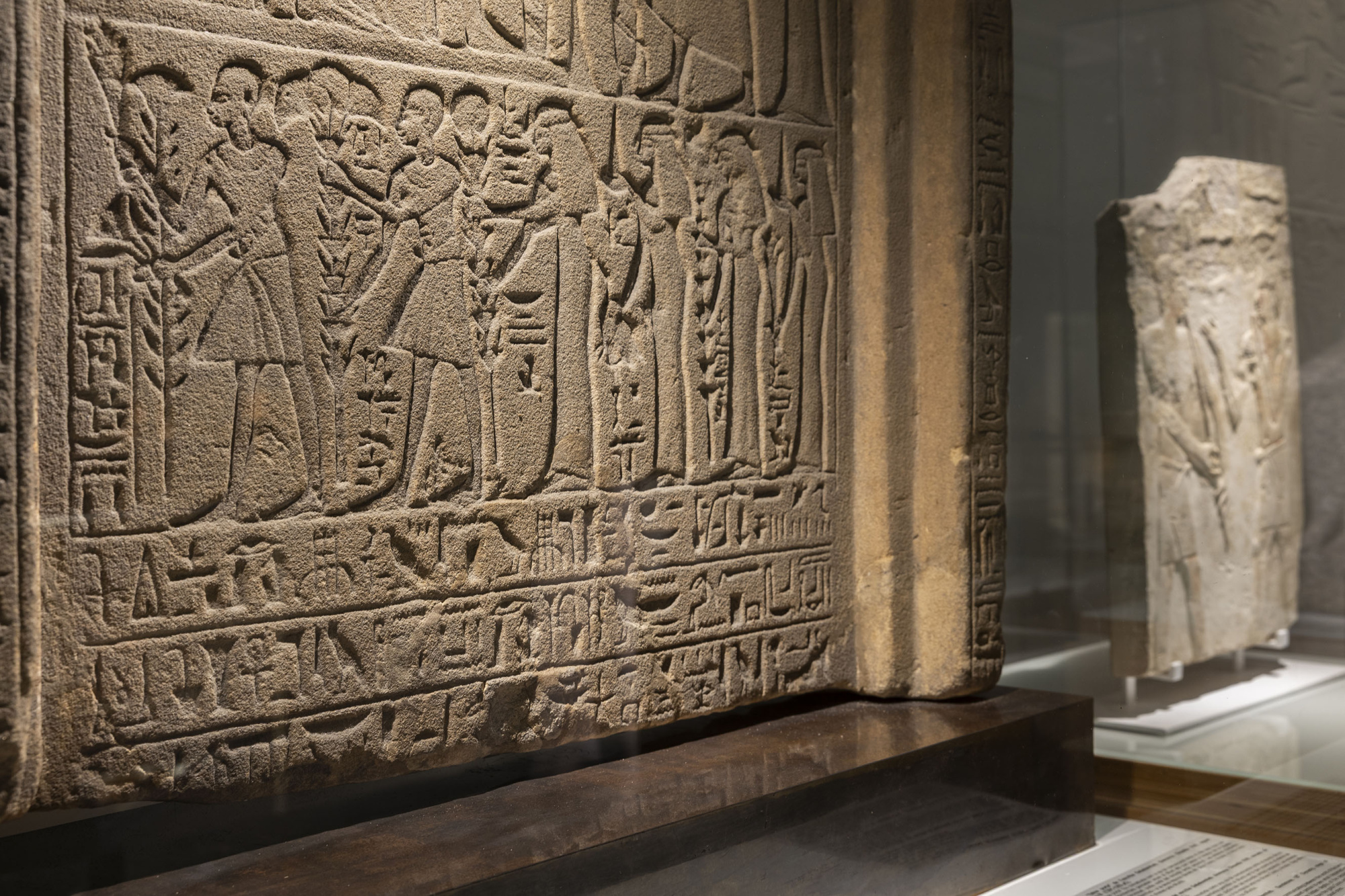
More informationHieroglyphic signs and their cursive versions (hieratic and demotic writing) were widely used in documents that provide valuable information for understanding ancient Egypt in different areas of society.
-

Art and everyday life
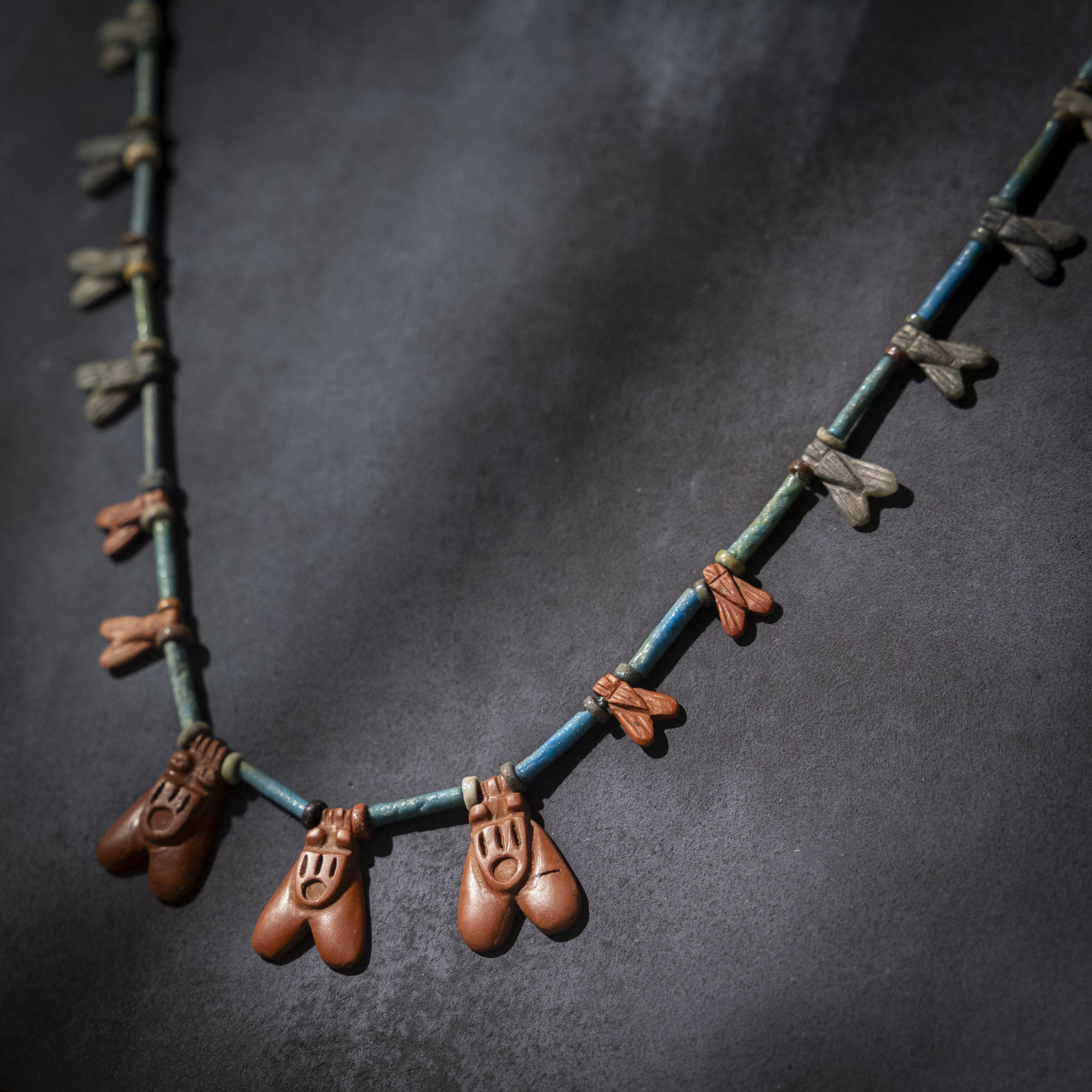
More informationA wide range of jewellery, stone vessels, tools, weapons, domestic furniture and objects related to cosmetics serve to illustrate different aspects of everyday life.
-

Mummification and funerary equipment
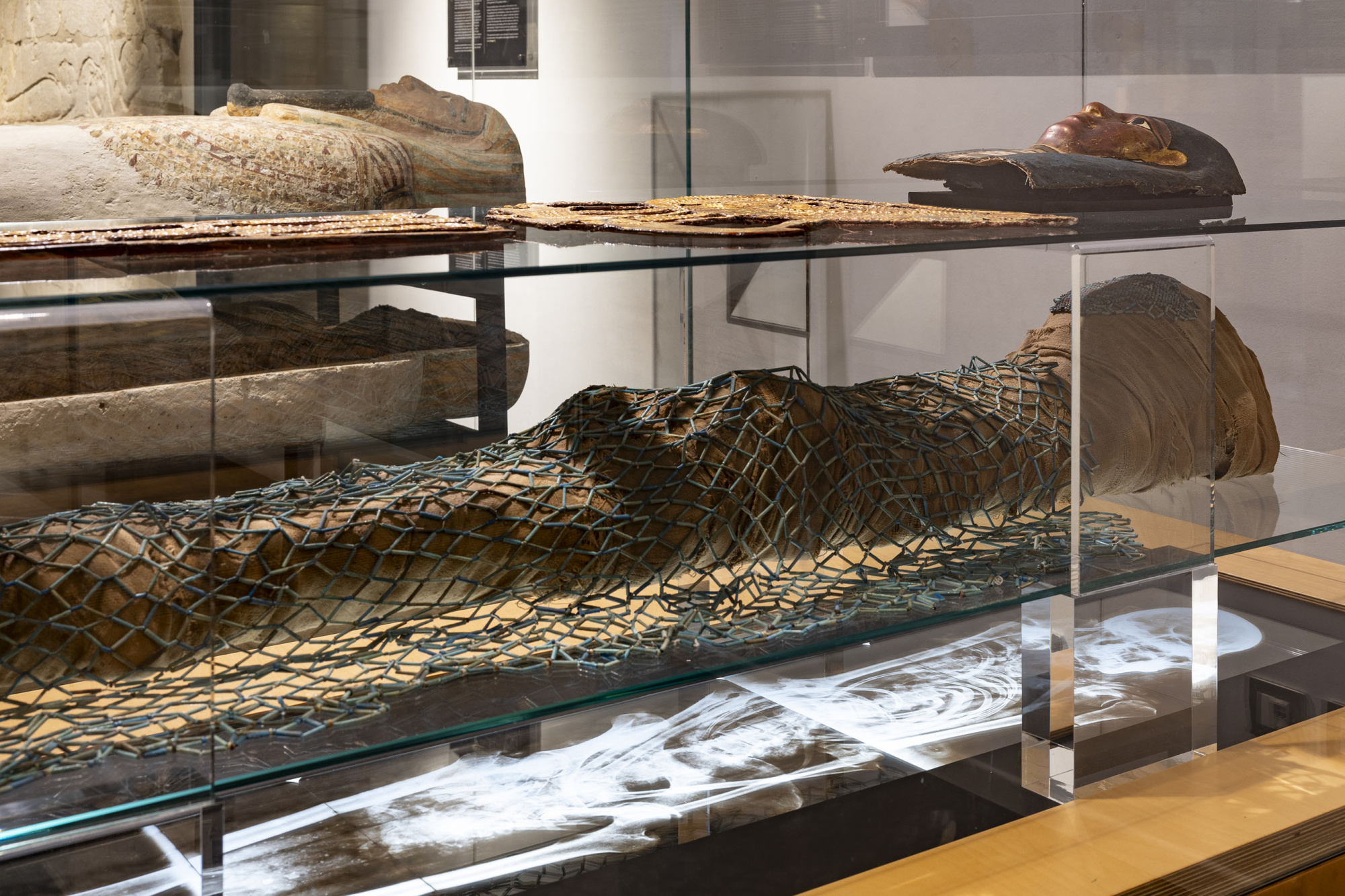
More informationOne of the most deeply rooted beliefs among the ancient Egyptians was that human beings had a life after death on earth. The religious basis for these ideas stems from a key mythological story in the world related to the afterlife: the myth of Isis and Osiris.
-

The tomb and the cult of the dead
More informationThe funerary cult of the deceased took place in funerary temples (in the case of the pharaohs) or in the cult chapels of the tombs (private figures). Both are public spaces, accessible to those responsible for making the necessary offerings to ensure the deceased's subsistence in the afterlife.
-

Temples, gods and goddesses
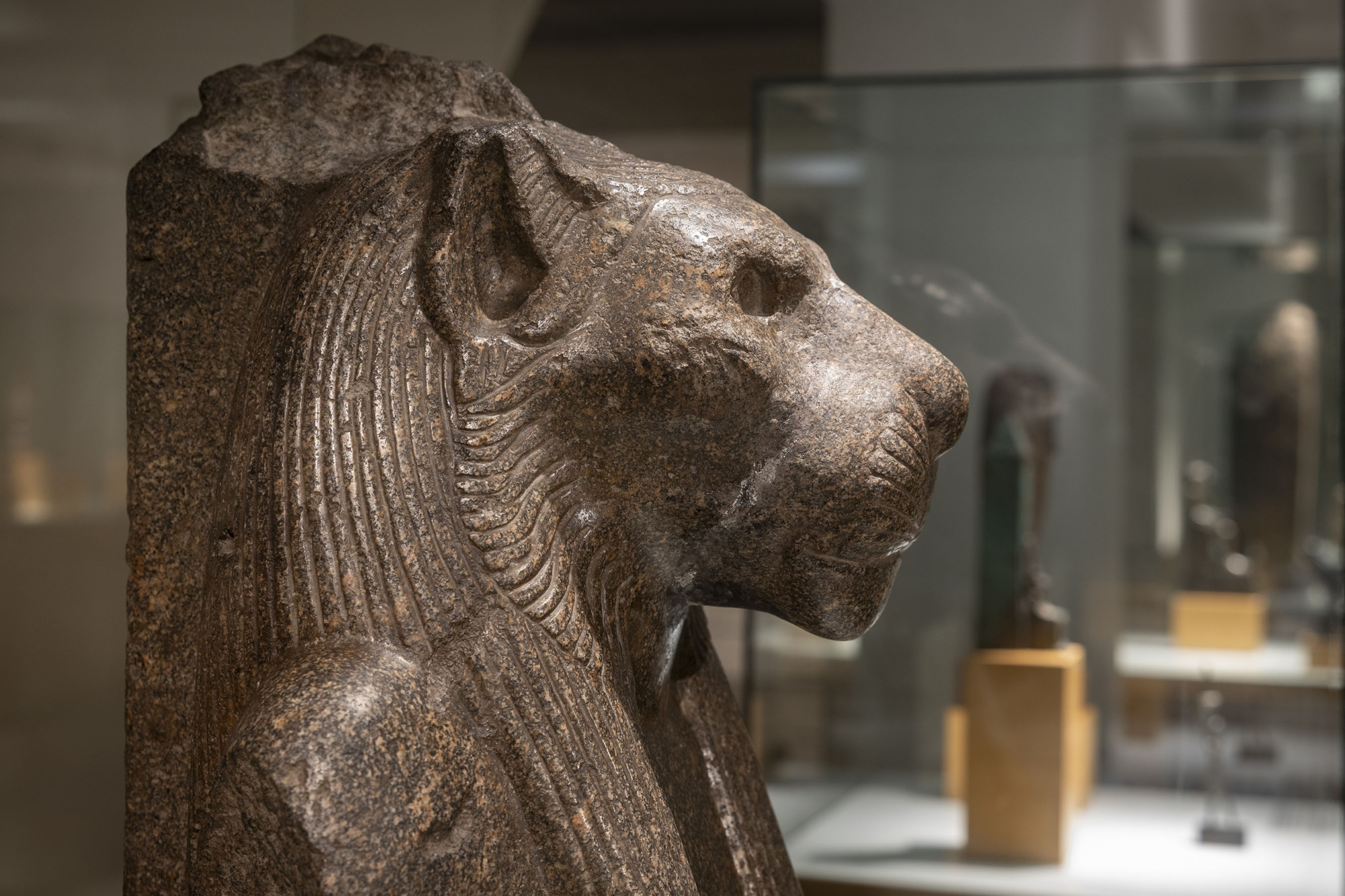
More informationThe Egyptian temple was conceived as the home of the gods, a suitable place for their worship. Stars, wall reliefs, statues of private figures making offerings, mummified animals, liturgical objects (sistrums, situlae, ceremonial sceptre crowns, etc.) and divine representations are the main material evidence of the activities involved in worshipping the gods.