
Restoration and other projects
The Sharuna Project discovers a Pharaonic temple from the reign of Ptolemy I (Campaigns 2019/2025)
During the excavation campaigns (2019/2020), 60 enormous stone blocks were recovered, displaying various architectural elements, beautiful decorative friezes and important texts in hieroglyphic script.
Among these texts, the presence of two cartouches containing the name of Pharaoh Ptolemy I stands out, as well as an inscription that provides valuable information about the temple's foundation, its name and the gods to whom it was dedicated.
This is a set of materials that will allow a hypothetical reconstruction proposal of the temple that was erected two thousand years ago in the Egyptian city of Hut-nesut, the ancient name of present-day Sharuna.
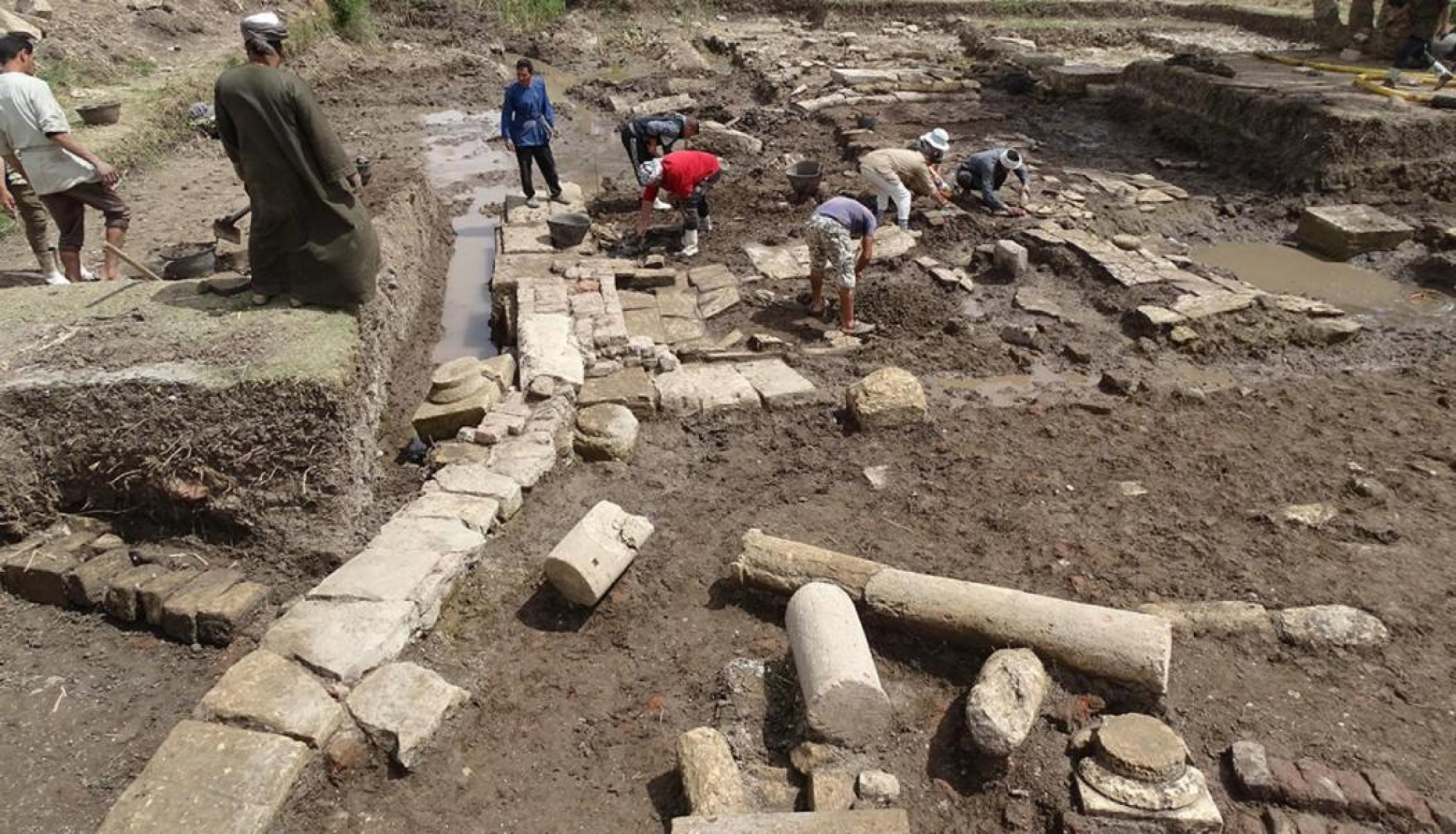
Archaeological Investigations at the Kom al-Ahmar Site (Sharuna, Egypt) 2006–2018
Under the agreement established with the Institute of Egyptology of the University of Tübingen, holder of the archaeological concession for Kom el-Ahmar Sharuna, since 2006 the Clos Archaeological Foundation has carried out six field seasons at the main necropolis of this site, with the intention of continuing the exploration and documentation work that different teams from the aforementioned German university have been conducting since 1984.
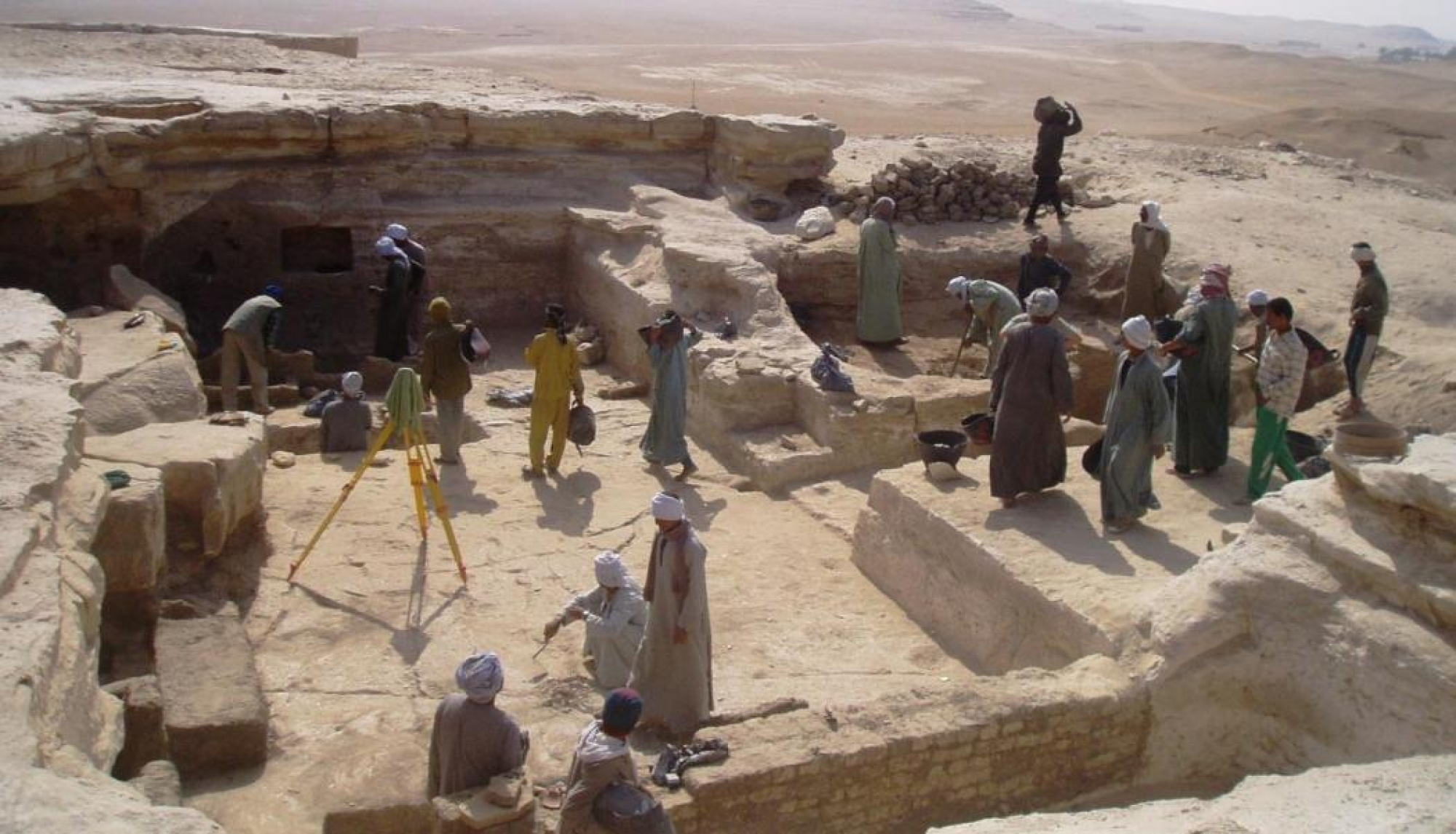
The project essentially comprises two lines of research: the first, led by Béatrice Huber, focuses on the study of Late Roman occupation in the region. The second aims to continue the excavation and documentation of the so-called main necropolis of Sharuna. Here, work has concentrated on a sector of the eastern area, where, through exhaustive documentation, the goal is to obtain a representative sample of the necropolis's development over time. Funerary structures from various periods (Old Kingdom, First Intermediate Period and Ptolemaic Period), reuse of tombs as a habitation area by the Copts, and several galleries and chambers that appear to be part of an extensive cemetery of sacred animals are the main elements represented in the site's historical-archaeological sequence.
The Lady of Kemet. An Interdisciplinary Study
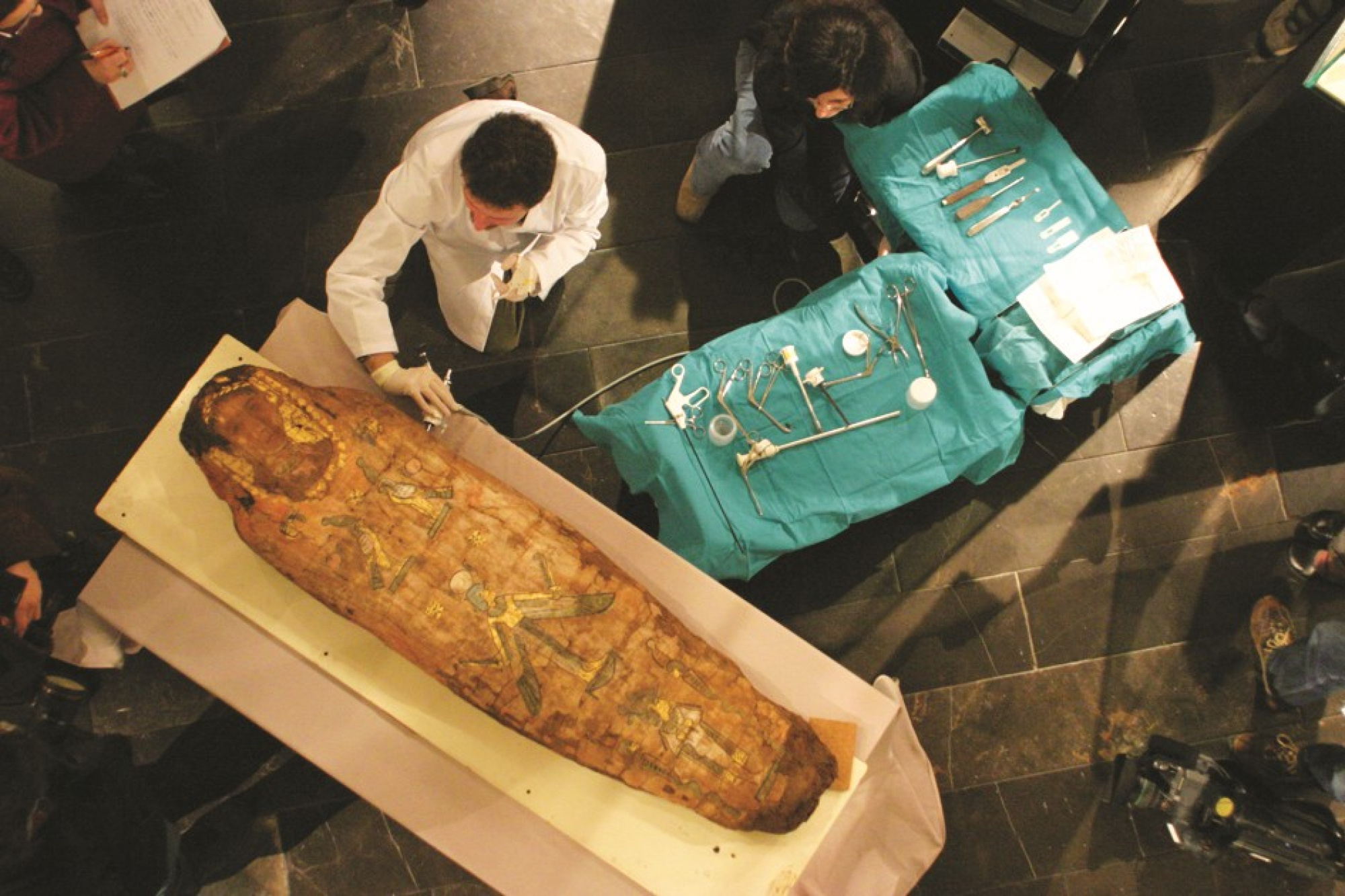
In 1998 a mummified body from the Roman period entered the Jordi Clos Collection of Egyptian Archaeology and was given the name “Lady of Kemet.” That same year the “Lady of Kemet” became the subject of a medical study under the direction of Dr. Fèlix Escalas with the collaboration of Dr. Xavier Lucaya and the Radiology Department of the Vall d’Hebron Hospital in Barcelona. The application of cutting-edge investigative techniques, such as helical computed tomography (CT), endoscopy and others, allowed us to gain a deeper understanding of the individual.
Thanks to the facial reconstruction carried out by Dr. Wesley Neville, a forensic medicine specialist from the United States, it was possible to reinterpret the appearance of her face.
In February 2004 the mummy underwent a new endoscopic examination with the collaboration of members of the Sagrat Cor University Hospital in Barcelona. Samples of bone and soft tissues were obtained and studied using histopathological techniques (Dr. P.L. Fernández, Pathology Service of the Hospital Clínic of Barcelona). The tissue sample taken from the area of the combined mass of the lungs and heart was analyzed by scanning electron microscopy (Dr. J. Esteban).
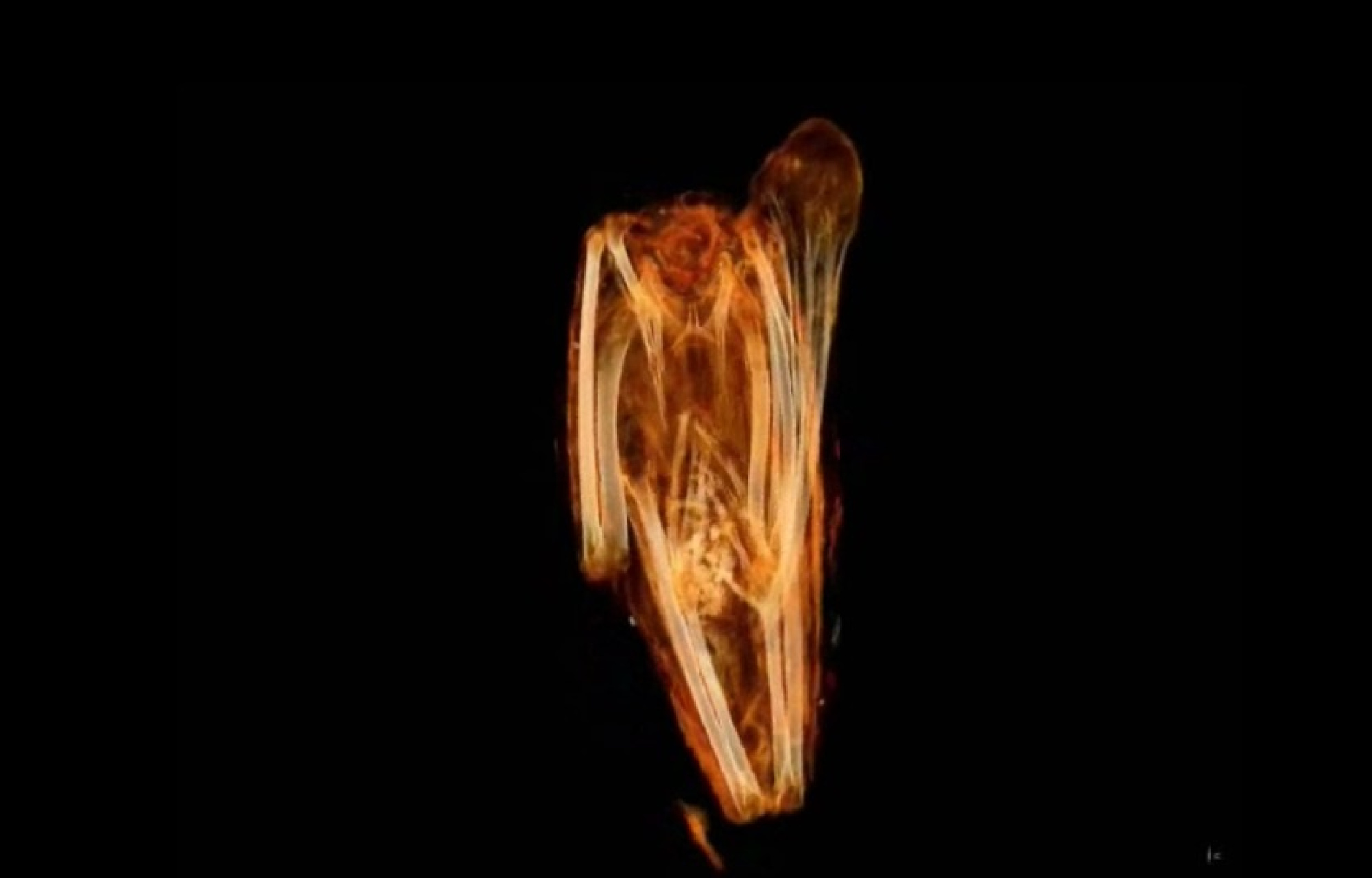
Animal Mummies Late Period – Ptolemaic Period (715 – 30 BC)
The mummification of animals had several purposes: they were considered earthly manifestations of the gods, served as symbolic food in the Afterlife as offerings to the gods, or simply were pets that would remain forever at the side of the deceased.
The Egyptian Museum collection includes a total of eight animal mummies, belonging to the following species: falcon, crocodile, ibis, two cats (an adult and a kitten) and three shrews. The first radiological study was carried out by Javier Tomás Gimeno at the Radiology Service of the Hospital de la Santa Creu i Sant Pau in Barcelona. From this study it was possible to identify the mummified animal as well as its position, state of conservation and various pathologies.
Since early 2011 the Egyptologist Mª Luz Mangado has led a project focused on the application of new imaging technologies to the study of the animal mummies in our Museum. The system used allows three-dimensional image reconstruction, greatly facilitating their study and analysis. Collaborators include the Imaging Unit of the Center for Applied Medical Research of the University of Navarra (Gabriel Heras and Carlos Ortiz de Solórzano) and the Department of Radiology of the University Clinic of Navarra (Gorka Bastarrika).
Falcon mummy
This mummy belongs to the falcon family. It could correspond to an Eurasian hobby (Falco subbuteo) or to a kestrel (Falco tinnunculus or Falco naumanni). It is complete and in an extended position, with the legs stretched out and crossed in front of the tail. A fracture can be seen in the right humerus produced after the animal's death.
Adult cat mummy
X-rays show a complete adult cat; it is not possible to ensure its belonging to the species Felis silvestris lybica (African wildcat) or to its domestic variant Felis catus. The forelimbs are extended alongside the body and the hind limbs are flexed. The tail is located at the rear of the trunk, showing fractures in some of the caudal vertebrae. No cervical fracture or dislocation—an unequivocal sign of sacrifice—can be observed due to the presence of three 5 mm diameter metal bars placed by the previous owner before the piece entered the Museum. Because of this anatomical alteration, the possible cause of death cannot be evaluated.
Kitten mummy
In this kitten, the only lesion observed is a cranial trauma in the occipital region. The impact must have been significant, which suggests a sacrifice, since it is unlikely that a cat could accidentally suffer an injury of these characteristics. The young age of the feline is another indication of its possible sacrifice to the goddess Bastet. The sacrifice of animals raised for this purpose became widespread in Egypt from the Late Period onwards.
Ibis mummy
Corresponds to a sacred ibis (Threskiornis aethiopicus). Its position is similar to that adopted by this bird when sleeping: legs folded under the abdomen and neck bent downward, resting the bill and head on the back. The bird presents no lesions. It is worth noting the presence of a large quantity of small snail shells inside the abdomen.
Crocodile mummy
Very young specimen of Nile crocodile (Crocodylus niloticus). The skeleton is complete and the limbs are extended alongside the body. It has a fracture in the vertebral column, in the mid-dorsal region, although it is difficult to determine whether this was the cause of its death.
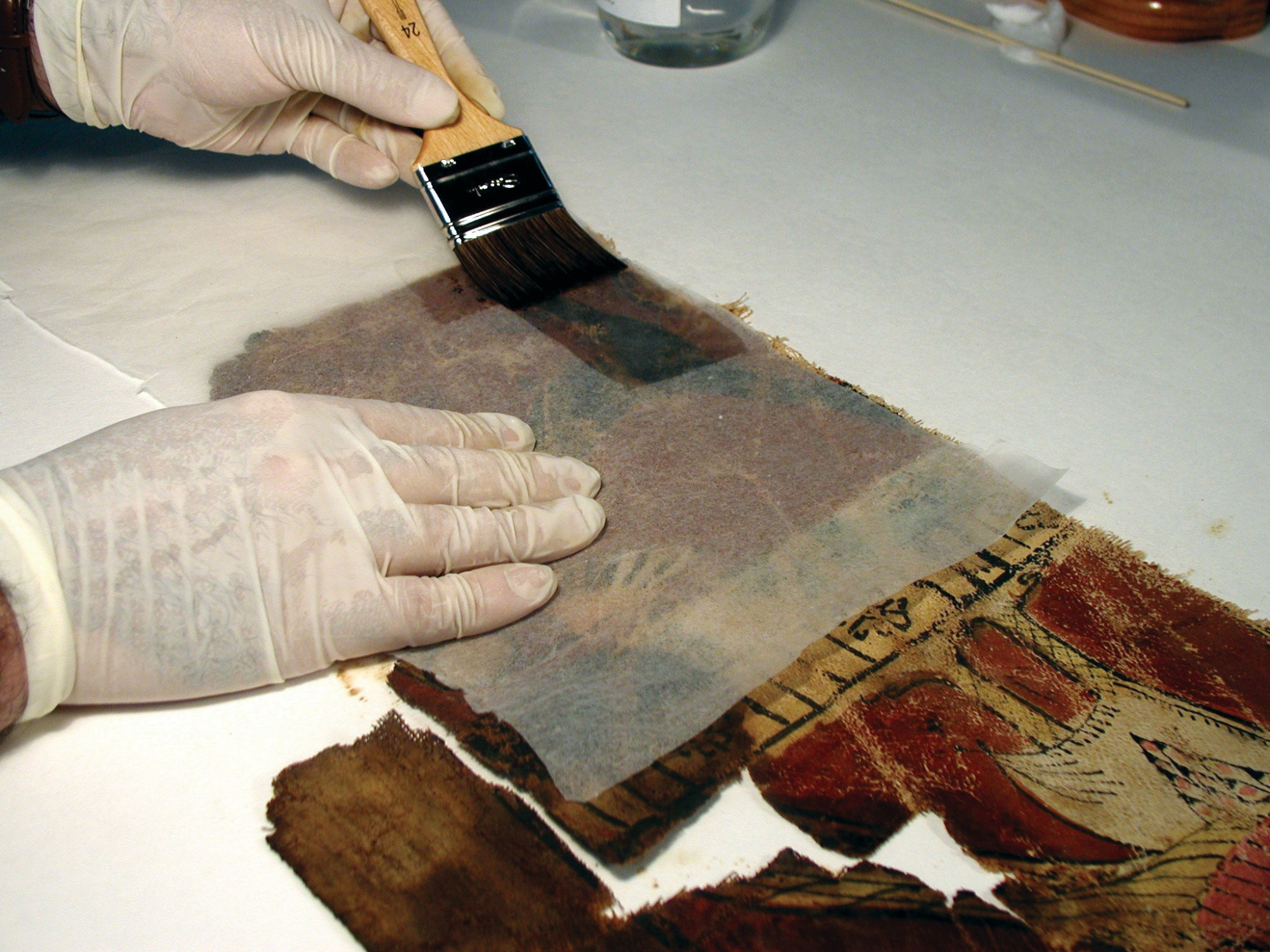
Shroud of an Egyptian called Bes
In February 2003 the Egyptian Museum of Barcelona acquired a very unusual work. On one hand, it was a type of object of which very few examples have survived to the present day; on the other, its precarious state of preservation required prompt action to ensure its safeguarding and to achieve the conditions necessary for its public display. Fortunately, restoration efforts have made possible the recovery and dignification of a work that had practically been considered lost.
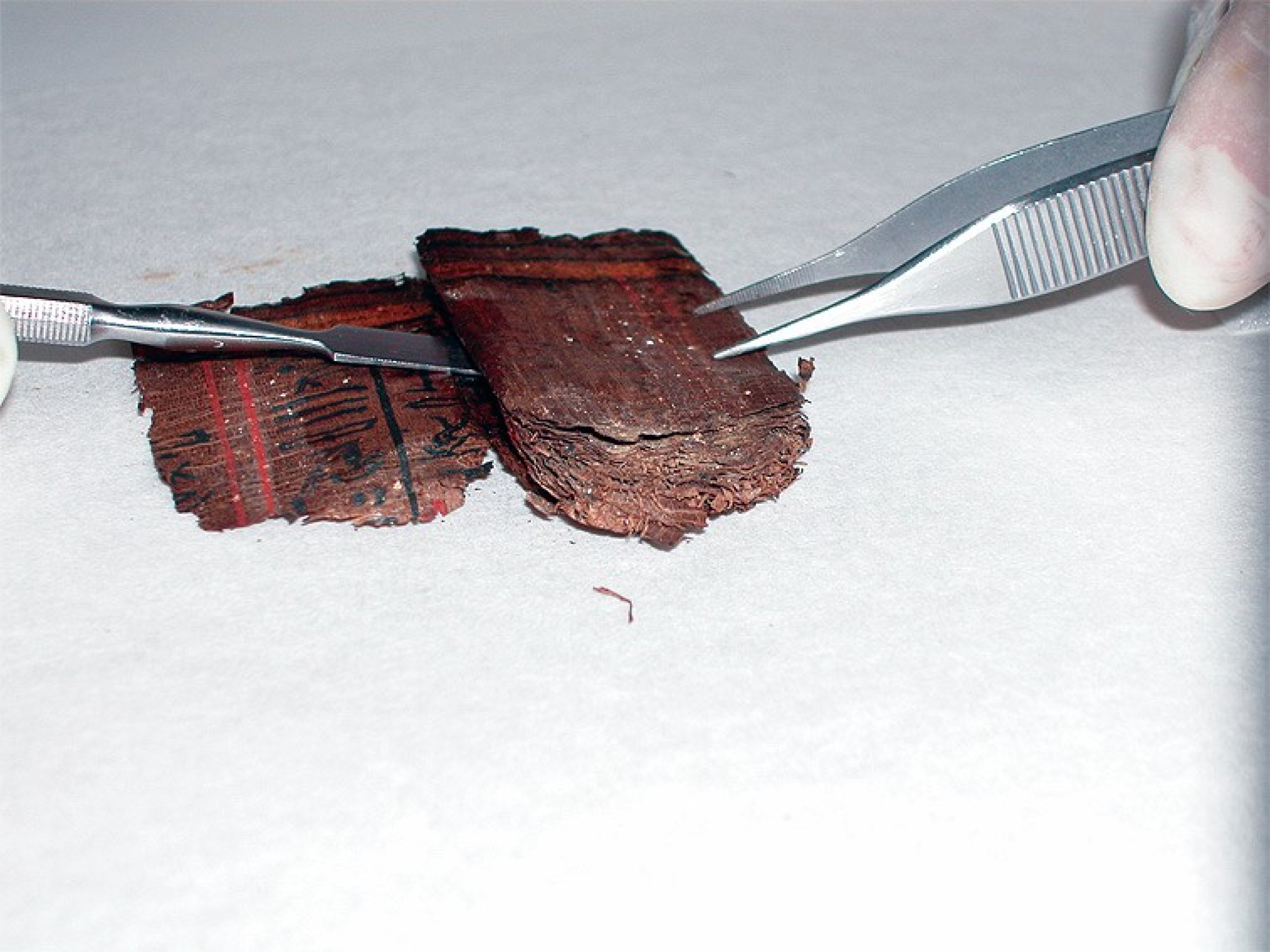
Lady Bary's Papyrus
In mid-2002 three small, thick rolls of papyrus arrived at the Egyptian Museum of Barcelona. The unrolling and conservation-restoration work was entrusted to Domènech Palau and Tana Andrádez, yielding a long papyrus fragment (about 4 m), corresponding to the lower part of a document, of which the beginning and lower edge were preserved, and from which approximately two-thirds of its height are missing. The text has been identified as part of Chapter 168B of the Book of the Dead, known as the Chapter of Offerings, a relatively rare chapter in the composition of this funerary work.
Golden Lady Cartonage
In 1999 the Egyptian Museum of Barcelona acquired a piece with very distinctive characteristics. It was a mummy cover (one of the so-called cartonnages) originally designed to fully enclose the body of its deceased owner. Chronologically it can be placed in the Roman period (early 1st century AD), and it may have been used by a young woman. In this case, the cartonnage, made up of different layers of bandages which have been given relative rigidity through the use of consolidants, features a striking surface treatment with gold leaf. Numerous figurative scenes of extraordinary documentary richness can be seen across its extensive surface. At the time of its arrival at the Museum, the cartonnage was in very poor condition: deformed, split into two parts and extremely fragile. It was therefore necessary to plan and carry out a specific conservation–restoration program to bring this singular piece “back to life.” For one year, the firm Gamarra & García was responsible for these tasks.
Excavation and Restoration Project at Meidum (Egypt) 1997 – 2004
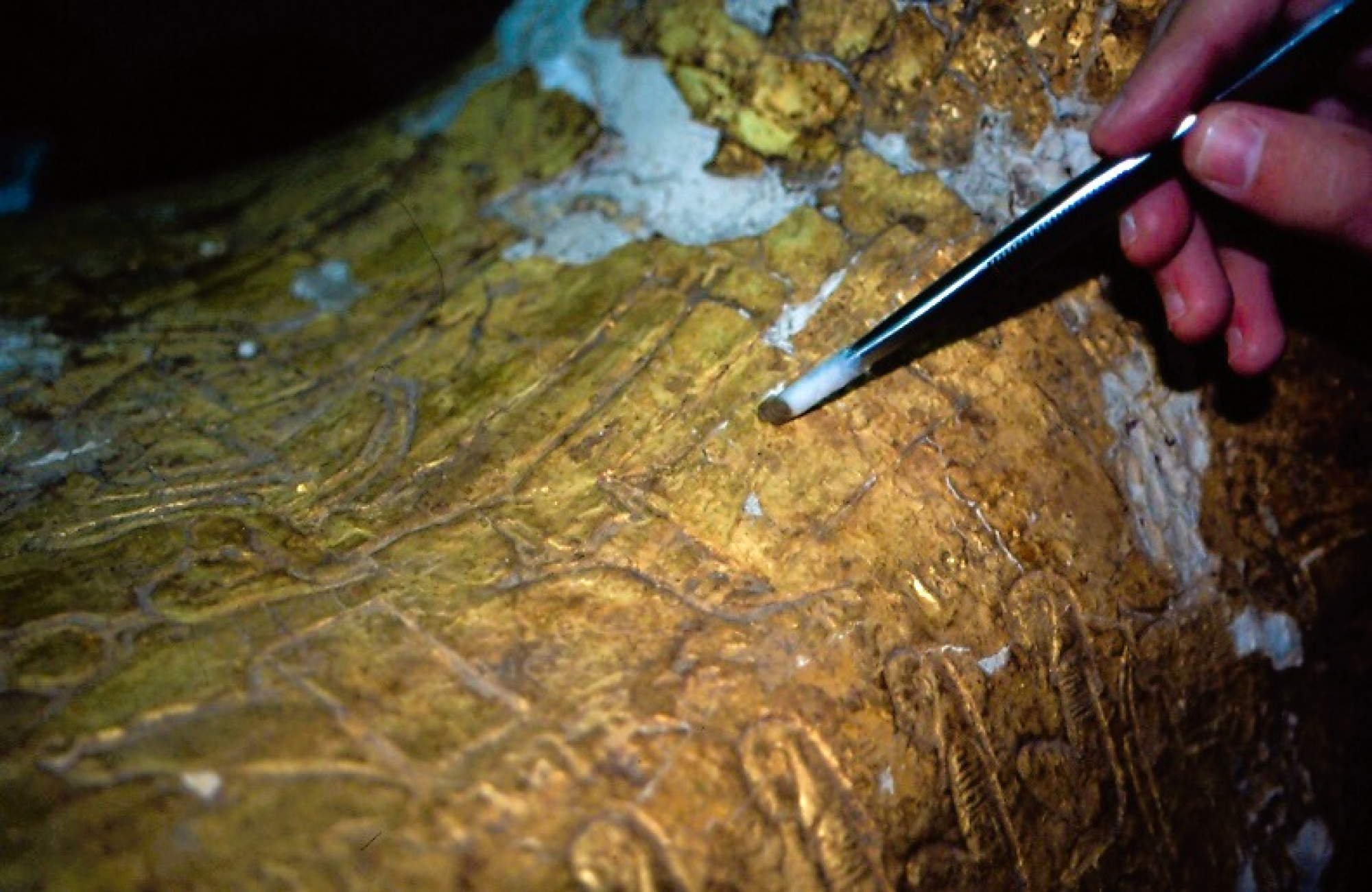
Between 1997 and 2004 the Clos Archaeological Foundation carried out four campaigns at the Meidum archaeological site. The work carried out is as follows:
- Topographic survey of the site: a trilingual plan has been made that includes both the archaeological structures identifiable on the ground and the work areas assigned to the mission's various objectives, as well as all those archaeological elements not visible but published in previous studies.
- Restoration – conservation of Mastaba No. 16: after conducting the necessary tests to determine the most suitable materials, an emergency intervention was carried out in the sectors exposed by other missions. Finally, a reconstruction trial was carried out on a small section of wall next to Nefermaat's chapel as a proposal that could be applied along the entire East face.
- Localization and excavation of archaeological structures: to the east of Nefermaat's mastaba a sector of the necropolis was documented, composed of two burial complexes consisting of two rock-cut chapels with several shafts and burial chambers. The individuals appear in a fetal position, extended on their left side, and they practically lack funerary equipment. Numerous pottery fragments have been recovered in the shafts and in the chapel that allow these tombs to be dated between the beginning of the Fourth Dynasty and the end of the Fifth Dynasty.
Project of Excavation "In Search of the Black Pharaohs" (Sudan) 1995-1996
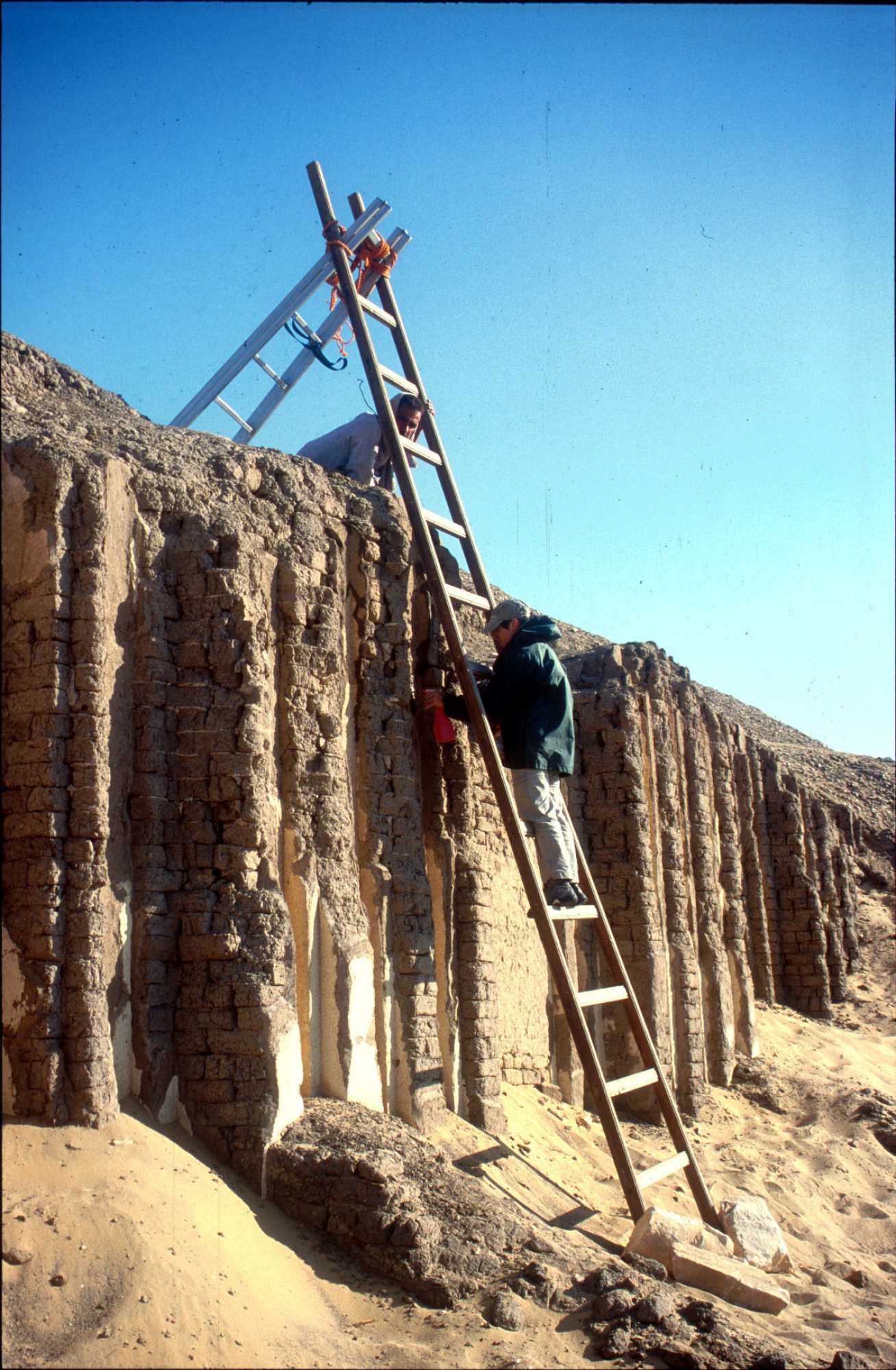
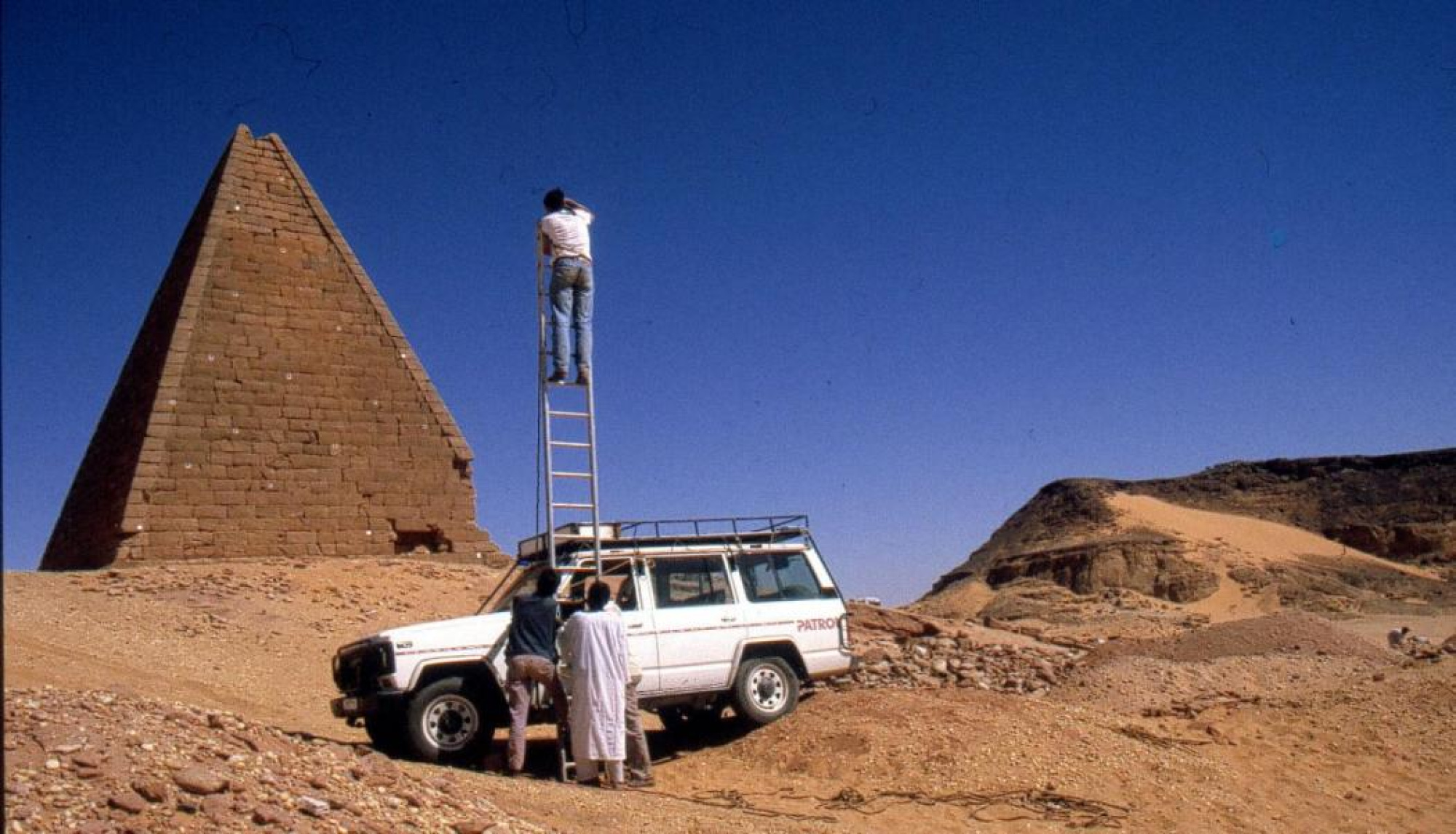
The project “In Search of the Black Pharaohs” focused on surveying the concession area and excavating the remains found. Two royal tombs were discovered; the tomb designated P-26 consists of two rock-cut burial chambers, accessible via a stepped ramp 22 m long. It partially preserves traces of wall paintings that originally covered the walls and vaults of the burial chambers. On the vault of the first chamber the depiction of an “astronomical ceiling” stands out, from which part of the name of the king to whom the tomb belonged could be recovered: Semesu Uhemu. As for P-27, this is a tomb composed of a single chamber, accessible through a stepped ramp; it could be the tomb of a queen. The superstructure that must once have topped these important underground constructions is virtually destroyed, although it must have had a pyramidal shape.
Alongside the described tombs, others have been found that can be classified as non-royal (as opposed to royal), smaller in size and with a distribution more spread out over time. Thus, tombs T-2 and T-5 would be the oldest in the group, dating to a pre-Napatan moment; tombs T-1 and T-5 have been dated to the Meroitic period; and the most recent would be T-4, located in a context close to the so-called Group X.
Library
The Library of the Clos Archaeological Foundation holds more than 10,000 documents
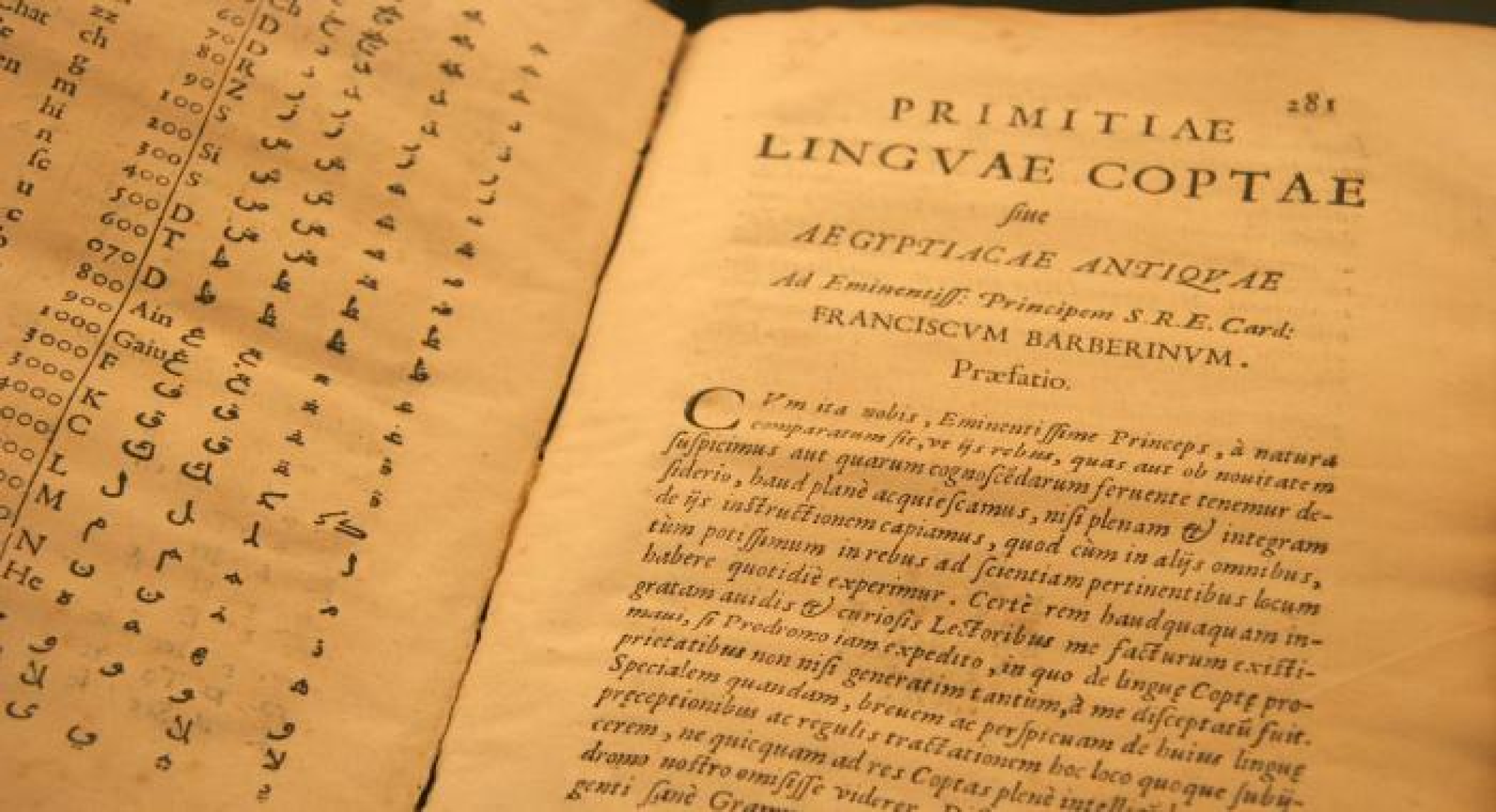
Specialized in Egyptology, the Library of the Clos Archaeological Foundation currently preserves more than 10,000 documents that constitute a fundamental and necessary resource for research and the study of Pharaonic Egypt.
In addition to monographs, periodicals, and auction catalogues, the Library holds a significant number of works that, beyond their scientific value, are true treasures for bibliophiles. Among these is a complete copy of the monumental Description de l’Égypte, corresponding to the second edition printed in Paris between 1820 and 1830. Also worthy of special mention are some original documents, such as the letter that in 1826 the Italian Egyptologist Ippolito Rosellini sent to his mentor Jean-François Champollion, in which he discusses, among other matters, the impact that the recent decipherment of hieroglyphic writing has had in academic circles.
Publications
Specialized books, general-interest magazines and temporary exhibition catalogues.
An important area of the Clos Archaeological Foundation is its own publications: specialized books, popular magazines, and catalogues of temporary exhibitions. In addition, it has a collection of monographs on various topics related to ancient Egypt.
Published titles:
Ptolomeo. Faraón de Egipto. El descubrimiento de su templo (Luis M. Gonzálvez, 2021)
Mujeres y hombres del antiguo Egipto (Luis M. Gonzálvez, 2019)
Pasíón por Egipto. 200 años de coleccionismo (Luis M. Gonzálvez, 2018)
Animales sagrados del antiguo Egipto (Luis M. Gonzálvez, 2017)
Osiris Dios de Egipto. El ser que permanece perfecto (Luis M. Gonzálvez, 2017)
Moda y belleza en el Antiguo Egipto (Elvira D’Amicone, 2011)
Arte funerario precolombino. La pasión de Tórtola Valencia (various authors, 2009)
Sarcófagos del Antiguo Egipto (Elvira D’Amicone, 2009)
Terracotas (Esther Pons, 2008)
Egipturas (Gemma Artasu, 2007)
Mosaicos romanos de Siria. Pintura de piedra (Carles Buenacasa, 2006)
Joyas de faraones (various authors, 2005)
Jardines y dioses egipcios (Xavier de Lara, 2005)
Damas del Nilo (various authors, 2004)
Tutankhamón: imágenes de un tesoro bajo el desierto egipcio (various authors, 1995; 2nd revised and expanded edition, 2004)
Historia Militar de Egipto durante la Dinastía XVIII (Javier Martínez Babón, 2003)
Damas aladas del antiguo Egipto (Mª José López Grande, 2003)
La momia de oro. El retorno a la vida (Núria Castro, 2003)
En busca de los faraones negros (various authors, 2001)
Culturas del Valle del Nilo (edited by Mª José López Grande, 2000)
El secreto del Tíbet, desvelando la civilización del techo del mundo (Josep Lluís Alai, 2000)
Mil millas Nilo arriba (edited by Rosa Pujol, 2000) SOLD OUT
Faraones de Egipto, reyes de Israel (Alexandre Herrero Pardo, 1999)
Another monographic publication is the Ruta Arqueológica por Egipto, in which the reader can travel the country from south to north through archaeological fact sheets for each site.
The annual magazine ArqueoClub presents to the general public and to specialist readers the cultural activities carried out by the Clos Archaeological Foundation.
Interested readers can find the publications of the Clos Archaeological Foundation, along with an extensive selection of Egyptological bibliography, at the Museum Shop-Bookstore where an Antiquarian section has also been developed to purchase rare books, out-of-print works and first editions.