
Hieroglyphic writing
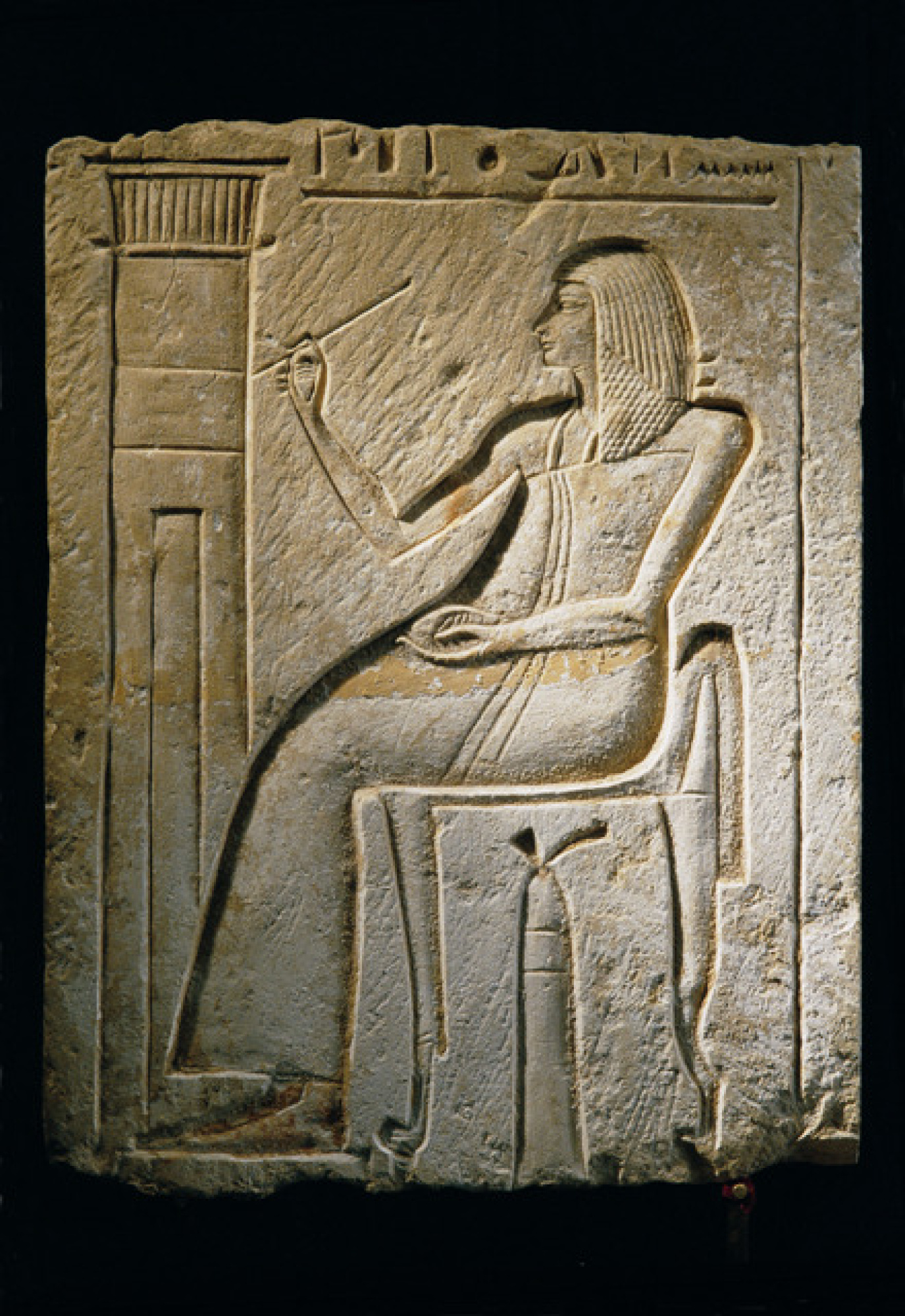
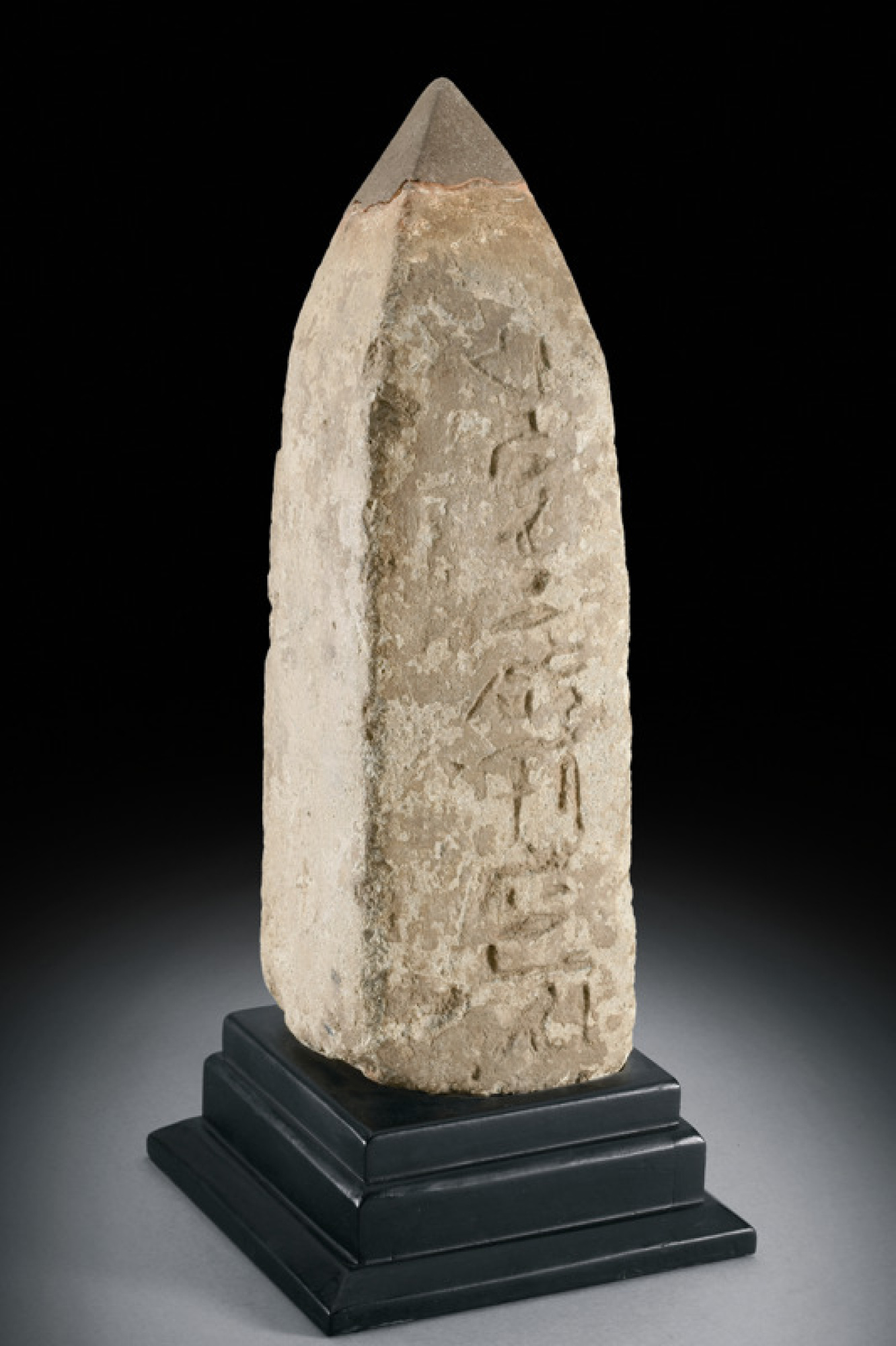
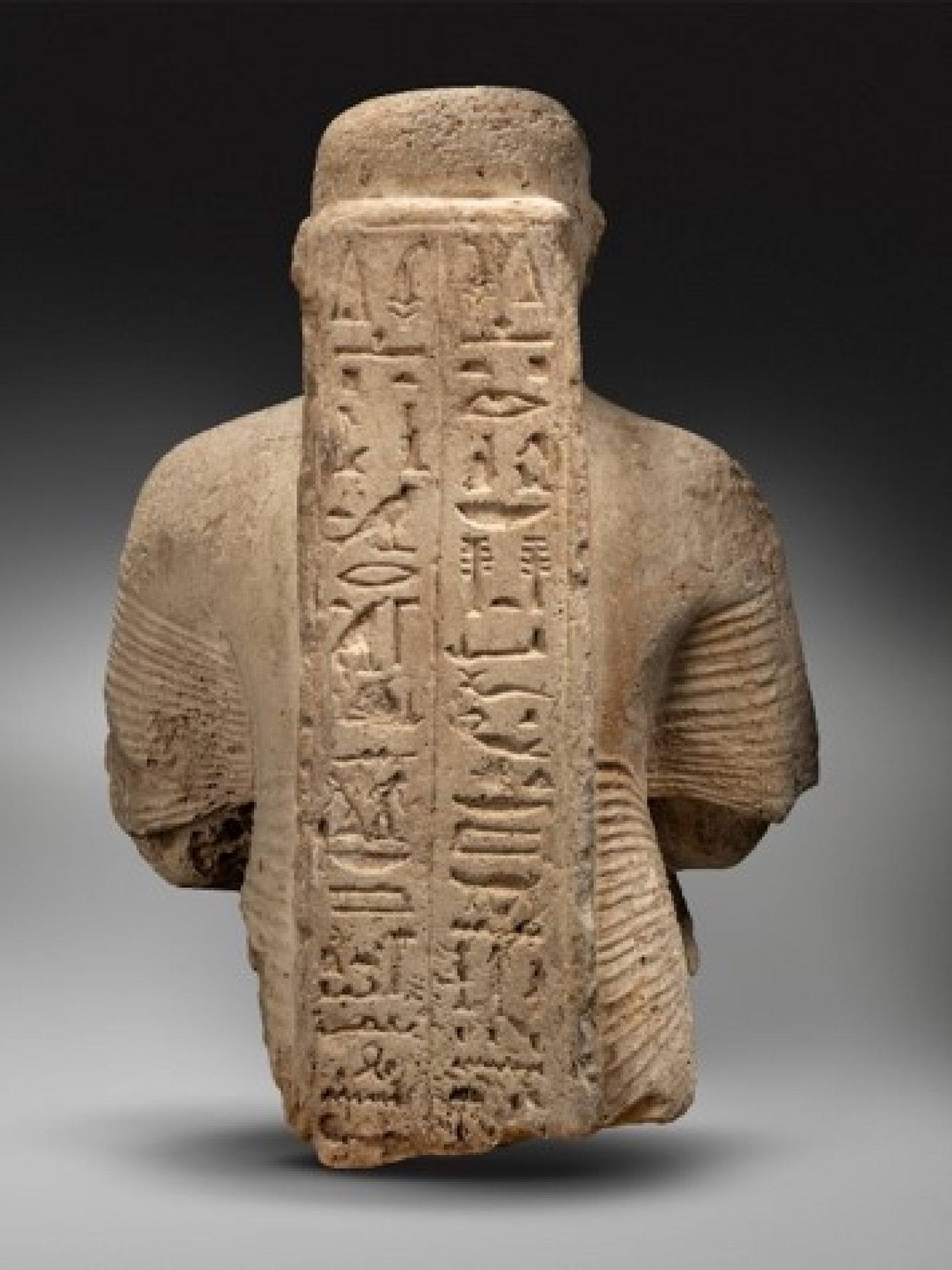
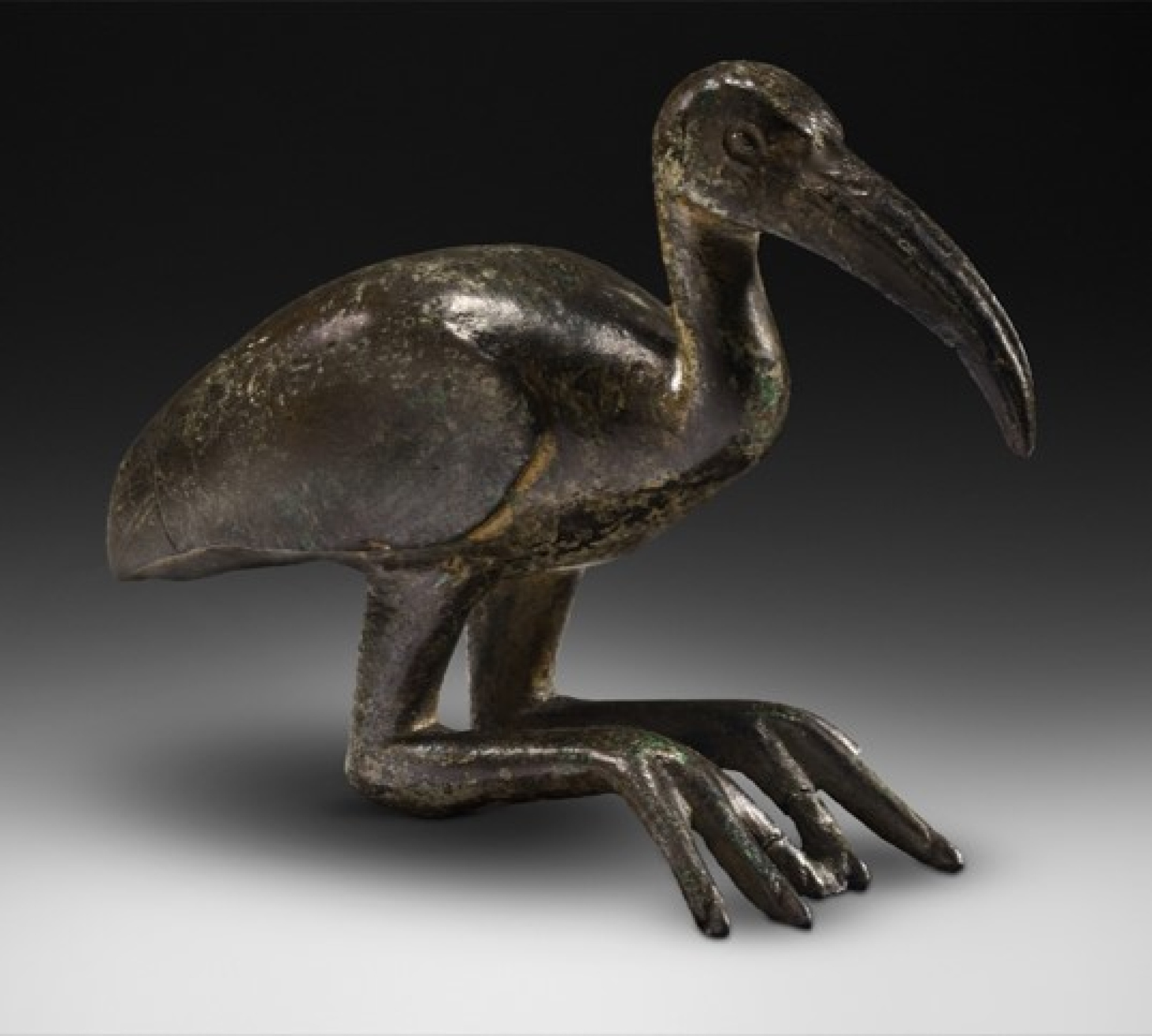
Hieroglyphic writing (or medu netcher, “divine words”) was considered a gift from the gods, an invention of Thoth, god of wisdom. The hieroglyphic signs and their cursive simplifications (hieratic and demotic) were widely used by the ancient Egyptians in the composition of countless written documents, which constitute a fundamental source for the knowledge of pharaonic civilization. Thus, detailed administrative records have been preserved that list quantities of products of all kinds; mythological narratives written on papyri or on the walls of tombs or temples; texts of a private, literary, or scientific nature; royal decrees, etc.
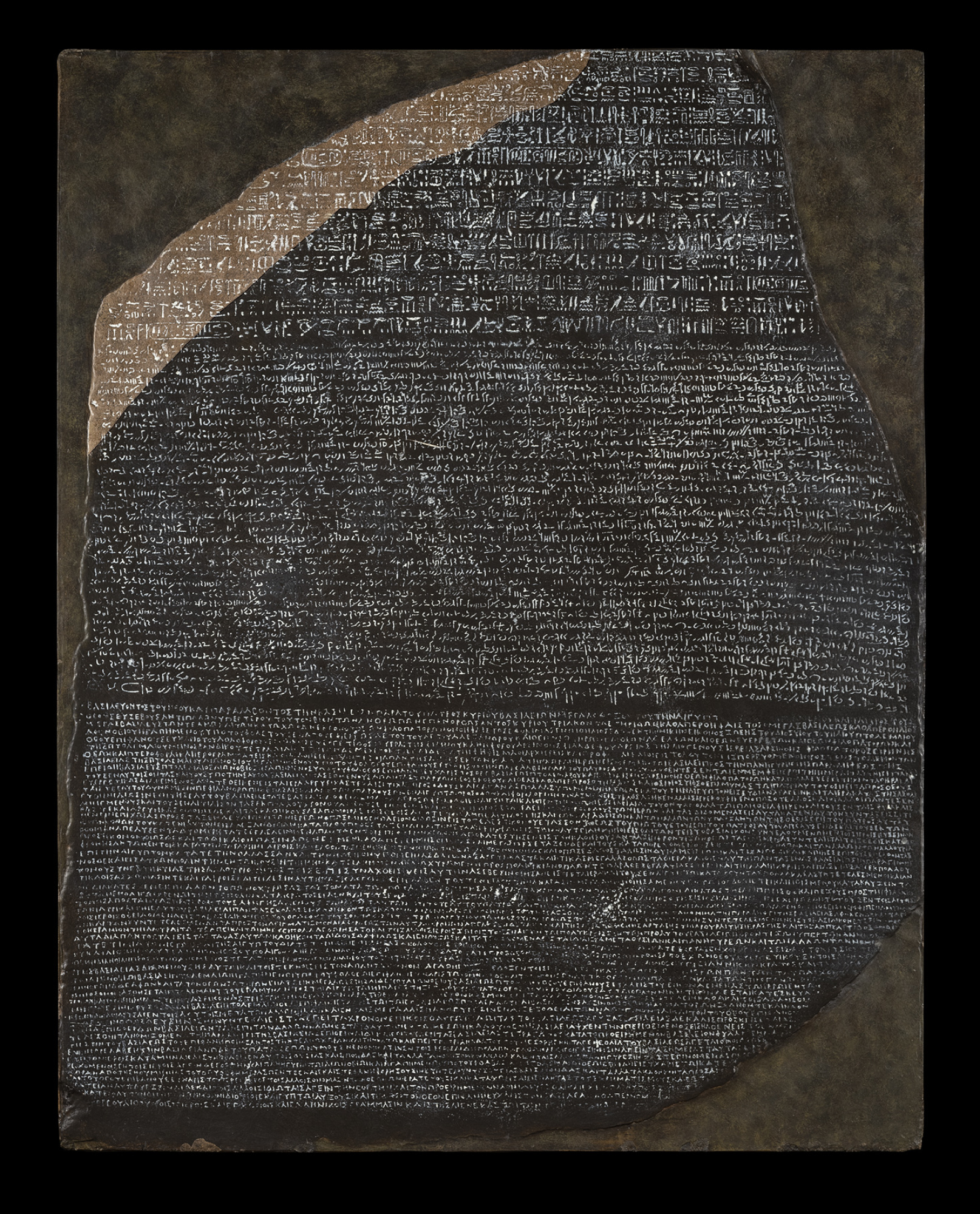
Thanks to the scholarly work initiated by the French savant J. F. Champollion, who in 1822 published his first results on the decipherment of hieroglyphic writing, it has been possible to recover an important part of ancient Egypt after many centuries of ignorance and oblivion.